



members only
Exploring the Nature of Death
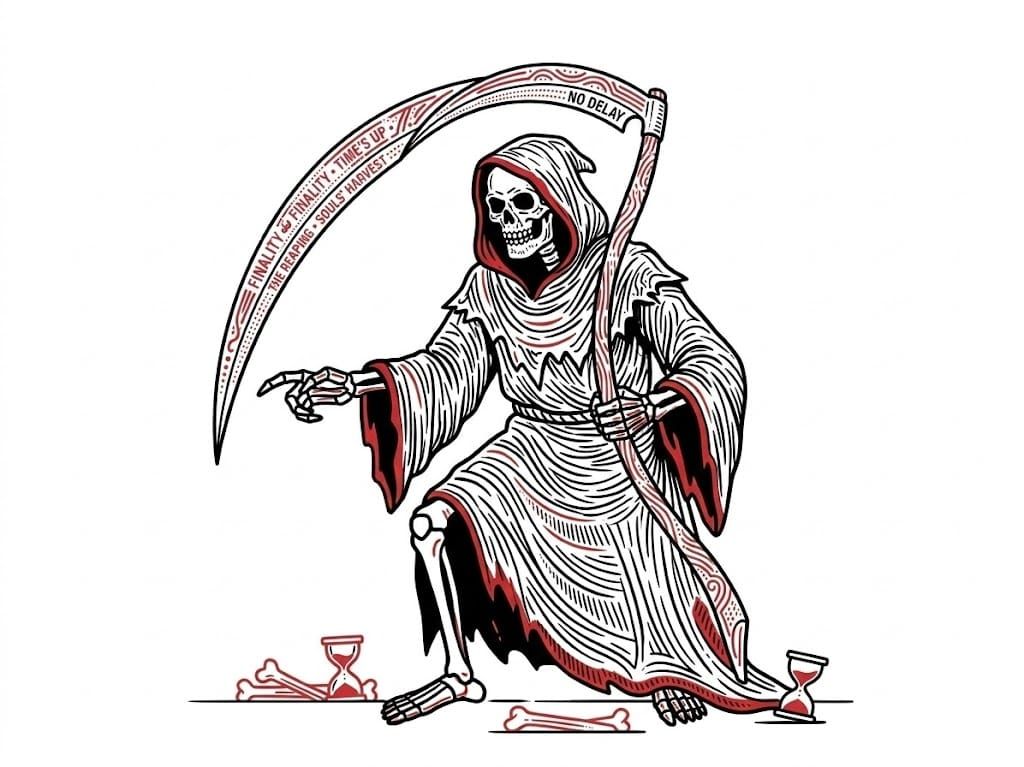
Death is a universal phenomenon that has captivated the human mind for centuries. It is a complex and multifaceted concept that holds a…
Death is a universal phenomenon that has captivated the human mind for centuries. It is a complex and multifaceted concept that holds a central place in human existence. This short essay delves into the various dimensions of death, exploring its philosophical, psychological, cultural, and scientific aspects. By examining the nature of death from these different perspectives, I aim to gain a deeper understanding of this enigmatic phenomenon.
Death is an inevitable part of the human experience, yet it remains one of the most profound and mysterious aspects of life. From ancient philosophical debates about the nature of death to modern scientific inquiries into the processes that occur at the moment of passing, humans have grappled with the concept of death in myriad ways.
Philosophical Perspectives on Death
Philosophers throughout history have pondered the nature of death and its implications for human life. From Plato’s dialogues on the immortality of the soul to Heidegger’s exploration of death as the ultimate possibility of existence, philosophical perspectives on death have shaped our understanding of mortality. Questions about what happens after death, the meaning of life in the face of death, and the nature of human finitude have been central themes in philosophical discourse on death.
Psychological Dimensions of Death
Death also holds a significant psychological impact on individuals and societies. The fear of death, known as thanatophobia, is a common human experience that can shape people’s attitudes, beliefs, and behaviors. Grief, mourning, and coping with loss are all psychological processes that individuals go through when faced with death. Understanding the psychological dimensions of death is crucial for providing support and care for those who are grieving or facing the end of life.
Cultural Perspectives on Death
Cultures around the world have developed diverse beliefs, rituals, and traditions surrounding death. These cultural perspectives on death shape how individuals and societies understand and respond to mortality. From funeral rites and burial practices to beliefs about the afterlife, cultural attitudes towards death vary widely and reflect the values and traditions of different societies. Exploring these cultural perspectives can provide insights into how humans make sense of death and find meaning in the face of loss.
Scientific Insights into Death
In addition to philosophical, psychological, and cultural perspectives, science has also contributed valuable insights into the nature of death. Biologically, death is the cessation of life-sustaining processes in an organism, leading to the irreversible breakdown of bodily functions. Medical advances have enabled us to prolong life and delay the moment of death, raising ethical questions about the boundaries of life and the role of technology in end-of-life care. Studying the physiological processes that occur at the moment of death can provide valuable information about the nature of consciousness, the brain, and the transition from life to death.
Death is a complex and multifaceted phenomenon that encompasses philosophical, psychological, cultural, and scientific dimensions. By exploring the nature of death from these different perspectives, we can gain a deeper understanding of this fundamental aspect of human existence. While death remains an enigma that eludes complete comprehension, engaging with its various facets can enrich our appreciation of life and the mysteries that lie beyond.
Subscribe to our newsletter
Subscribe to our newsletter to get the latest updates and news







Member discussion