


members only
How the Pursuit of the Common Good Can Become a Vehicle for Evil
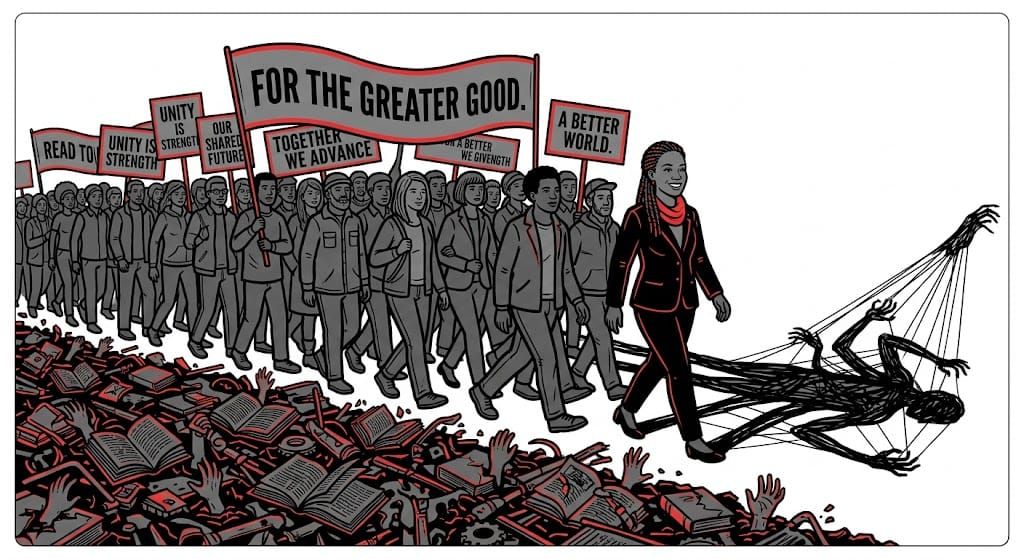
The notion that evil can arise under the guise of protecting the “common good” is one of the most complex moral paradoxes in human history…
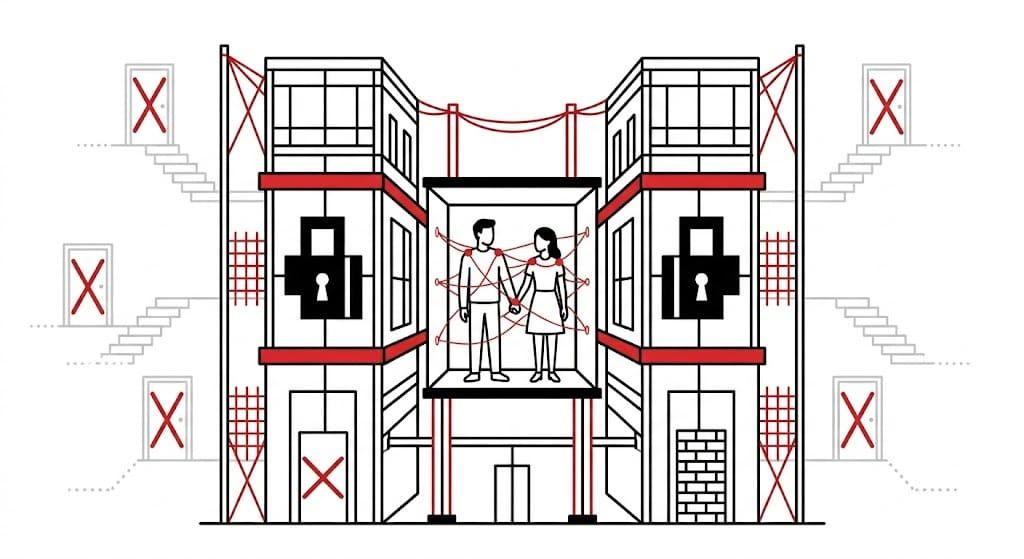
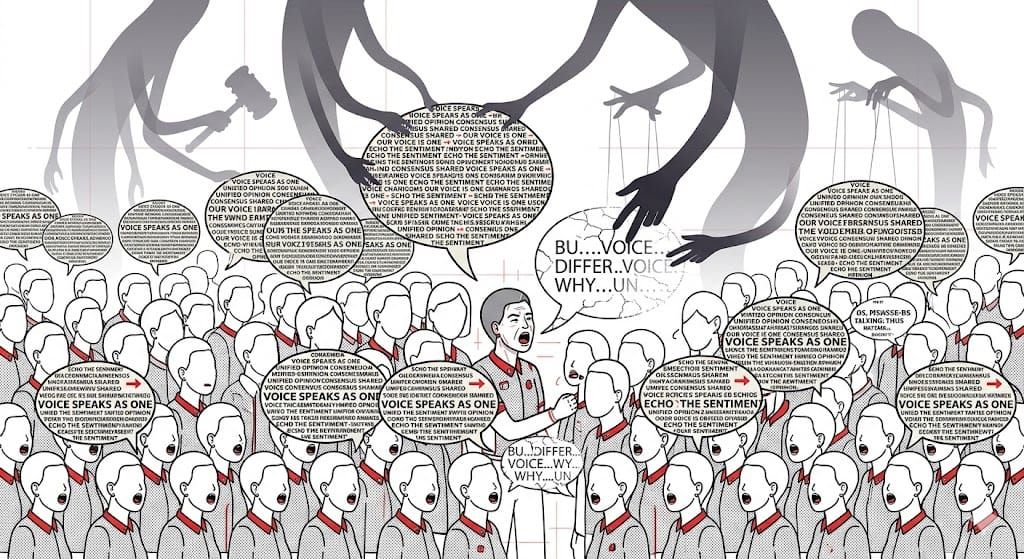
Among the most enduring and troubling paradoxes in human moral history is the capacity for harm to arise not from malice alone, but from the sincere and passionate pursuit of the good. Acts of extraordinary cruelty have been committed not despite noble intentions, but often because of them. Societies have descended into terror, states have built machinery of oppression, and individuals have abandoned their own humanity, all in the name of protecting something they believed to be worth protecting. The "common good" has served as both a genuine aspiration and, repeatedly throughout history, as a rhetorical instrument that licenses transgression. This essay examines how the concept of the common good is constructed and deployed, how the fight against perceived evil transforms individuals and institutions, and what moral and structural safeguards humanity must maintain if it is to confront its darkest challenges without becoming them.
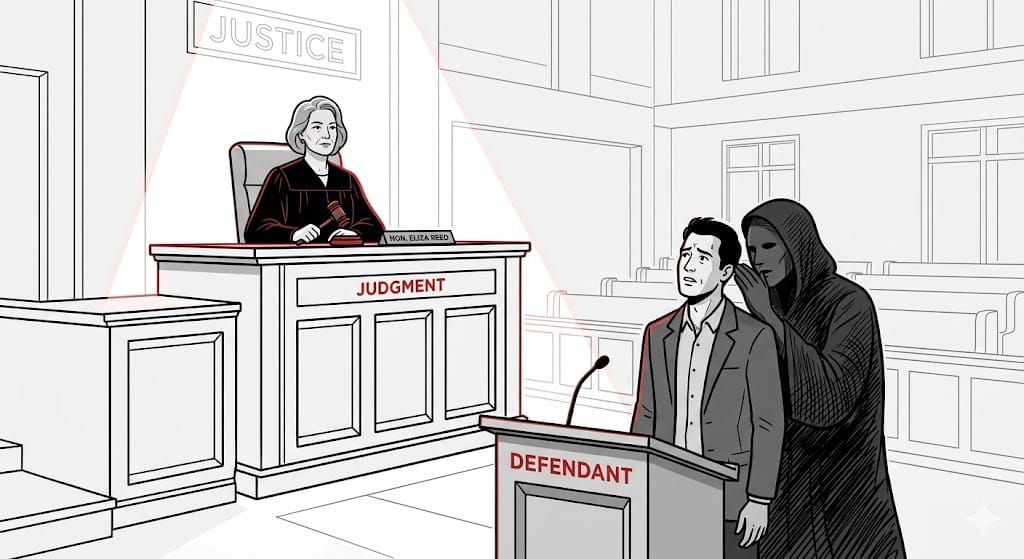
Friedrich Nietzsche's warning, issued in Beyond Good and Evil, distills this problem with unsettling precision: "He who fights with monsters should be careful lest he thereby become a monster" (Nietzsche 89). The danger Nietzsche identifies is not hypothetical. It is a recurring feature of political and moral life, one that has manifested in revolutions, wars, religious movements, and social campaigns across centuries and cultures. Understanding how good intentions become pathways to evil requires a close examination of the concept itself, the psychological dynamics of moral crusading, the systemic mechanics of power, and the historical record that substantiates Nietzsche's caution.
I. Defining the "Common Good" and Its Inherent Ambiguities
The phrase "common good" carries an intuitive appeal. At face value, it suggests the subordination of narrow self-interest to the welfare of the collective, a principle that has animated democratic theory, religious ethics, and social philosophy for millennia. Aristotle, in the Nicomachean Ethics, identified the common good as the proper end of political life, arguing that the polis exists to enable human flourishing for all its members (Aristotle 12). Yet from its earliest formulations, the concept has been contested, malleable, and subject to appropriation by those whose interests its invocation was meant to constrain.
The fundamental problem with the common good as a political and moral category is that it requires someone to define it, and whoever holds that definitional authority holds enormous power. As political theorist John Rawls observes in A Theory of Justice, principles of justice must be derived through a process that accounts for the perspectives of all members of a society, not merely its most powerful (Rawls 118). When the common good is defined unilaterally, without inclusive deliberation, it tends to reflect the interests, fears, and ideologies of those doing the defining rather than the actual welfare of the broader population.
In political contexts, governments throughout history have invoked the common good to justify policies that consolidated their own authority while suppressing dissent. Censorship has been rationalized as protection against dangerous ideas; surveillance has been framed as a necessary tool for collective security; military adventurism has been cloaked in the language of national protection and civilizational duty. In each case, the abstraction of the common good serves as a shield against accountability. If a leader can claim to be acting on behalf of everyone, criticism becomes not merely political disagreement but a form of treachery against the collective.
Religious institutions have similarly wielded the concept to authorize violence and coercion. The medieval Crusades, launched in the name of Christendom's spiritual welfare, resulted in centuries of bloodshed and cultural destruction across the Mediterranean world. The Spanish Inquisition, which tortured and executed thousands, was understood by its architects as a necessary defense of doctrinal purity and communal salvation. In each instance, the invocation of a higher good, one that transcended individual suffering, was precisely what made the machinery of cruelty operable. Victims were not merely harmed; they were harmed for their own spiritual benefit and for the protection of the community.
In modern socioeconomic contexts, the language of the common good has been deployed to rationalize policies whose burdens fall disproportionately on the vulnerable. Forced relocations, austerity regimes, and development projects that displace indigenous communities are routinely presented as painful but necessary sacrifices for the greater welfare. The political scientist James C. Scott, in Seeing Like a State, documents how high-modernist development schemes, pursued with genuine conviction by state planners, devastated the communities they were meant to uplift precisely because planners substituted their own abstracted vision of the good for the lived knowledge of local populations (Scott 4). The common good, in these cases, was not only ambiguous but actively hostile to the people it claimed to serve.
This post is for subscribers only
Subscribe to continue reading