
The Breach at the Safe Door

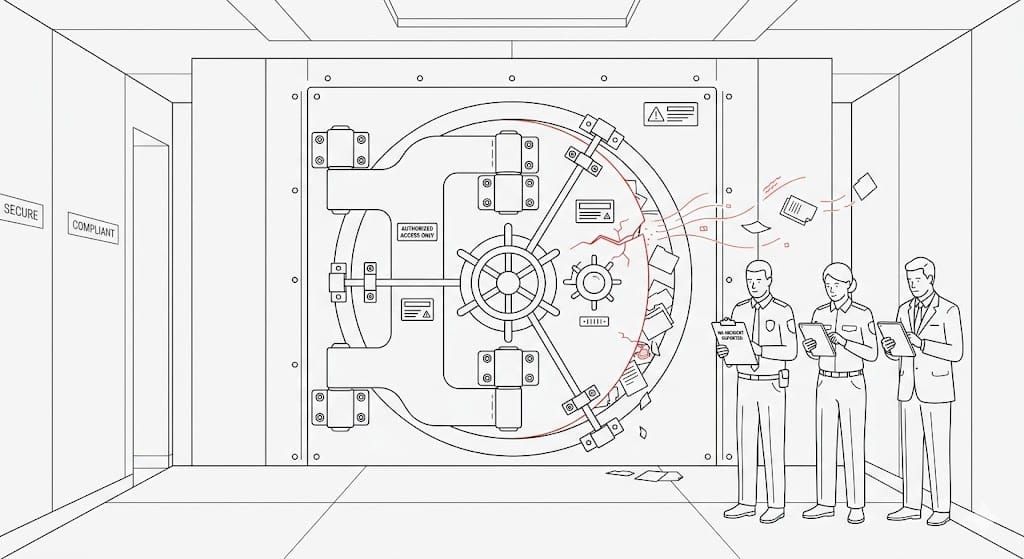
This document is a Security Violation Case File from the House Select Committee on Assassinations (HSCA), dated July 1978. It serves as a formal record of a forensic investigation into a breach of the committee’s secure storage facilities.
The file is critical because it details a literal "break-in" to the heart of the JFK investigation. It specifically tracks the identification of fingerprints found on a safe door and a safe drawer within the HSCA offices. This is a high-stakes evidence chain involving potential espionage or internal sabotage during the final year of the committee’s work.
The Core: Facts, Names, and Dates
- The Incident: On or around July 13, 1978, five transparent fingerprint lifts were taken from secure areas. Specifically, prints were pulled from the "face of the safe drawer" and the "inside outer edge of thesafe door".
- The Suspects: The committee requested that the FBI return the security fingerprint cards for several staff members to facilitate a comparison. The list includes key investigators like Andy Purdy, Mark Flanagan, Dan Hardway, and Eddie Lopez.
- The Evidence: FBI Latent Case No. B-63462. The FBI examined the lifts against inked fingerprints provided by the committee.
- The Match: On July 14, 1978, the FBI confirmed that latent fingerprints found on the safe door and safe drawer were a match for Thomas Mark Flanagan, a staff investigator.
Red Flags and Black Holes
The most glaring issue is the presence of Regis Blahut, a CIA staffer detailed to the HSCA, whose name appears in the file's subject line. While Flanagan’s prints were matched, the file is categorized under Blahut’s name in the metadata, suggesting he was the primary target of the security investigation.
There is a disturbing lack of explanation for the "unusual nature" of the incident noted in the handwritten memo on page 2. The memo states the incident was "logged in to System by agreement with CIA" and notes it was "not been dealt with" as a standard committee file. This implies an off-the-books arrangement between the HSCA and the CIA regarding a security breach.
The timeline is also tightly compressed. The request for fingerprint cards was made on June 27, 1978. The FBI matching report was issued on July 14, 1978. Within roughly two weeks, the committee moved from a general background check to a specific forensic match on one of their own investigators.
The Analysis
This is not a simple internal HR matter. It is a forensic snapshot of a committee devouring itself. By mid-1978, the HSCA was under immense pressure to deliver its final report. Finding an investigator's prints on the inside of a safe door, where sensitive autopsy photographs and films were stored, suggests unauthorized access to the most controversial evidence in the JFK case.
The legal posture of the HSCA here is defensive. Chief Counsel G. Robert Blakey was personally involved in the request for fingerprint experts, bypassing standard administrative channels to get an "opinion" from the FBI as quickly as possible. The focus on staff like Hardway and Lopez, investigators known for pushing the CIA for more transparency, indicates a climate of extreme suspicion within the committee staff itself.
Next Steps and Implications
The investigation must find the specific "specially colored folders" or logs mentioned in related files to see what was actually inside that safe drawer at the time of the breach. We need to verify if Mark Flanagan was ever officially reprimanded or if he was acting under orders to move or verify evidence. The presence of Regis Blahut in the subject line remains the biggest question. If Flanagan’s prints were the ones matched, why is Blahut the subject of the "Security Violation"? We need to cross-reference this with the CIA’s internal files on Blahut to see if he was caught in the same room or if he was the one who reported the "breach" to steer the investigation toward committee staff.
Subscribe to our newsletter
Subscribe to our newsletter to get the latest updates and news






Member discussion