
The Internal Perimeter: Tracking the Witnesses to the Witness

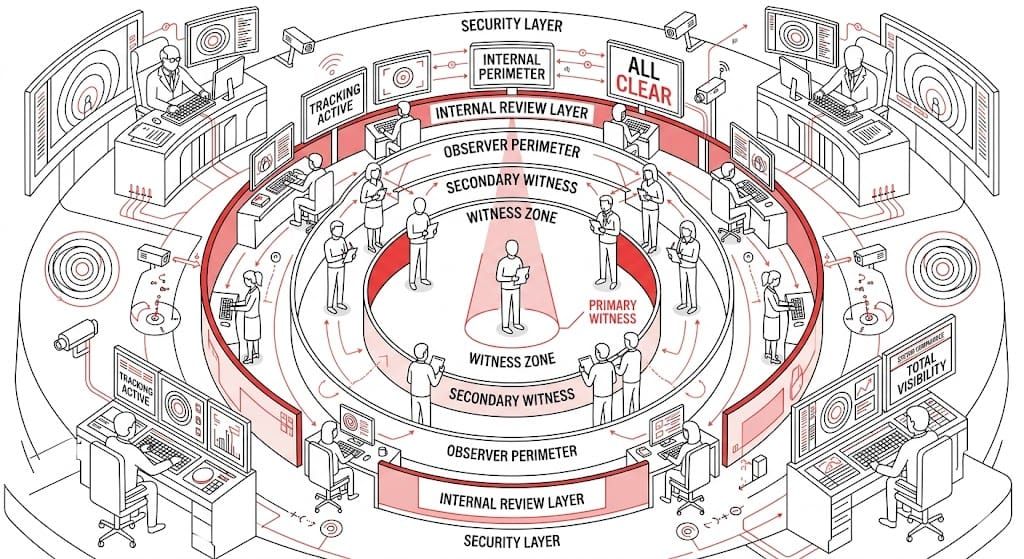
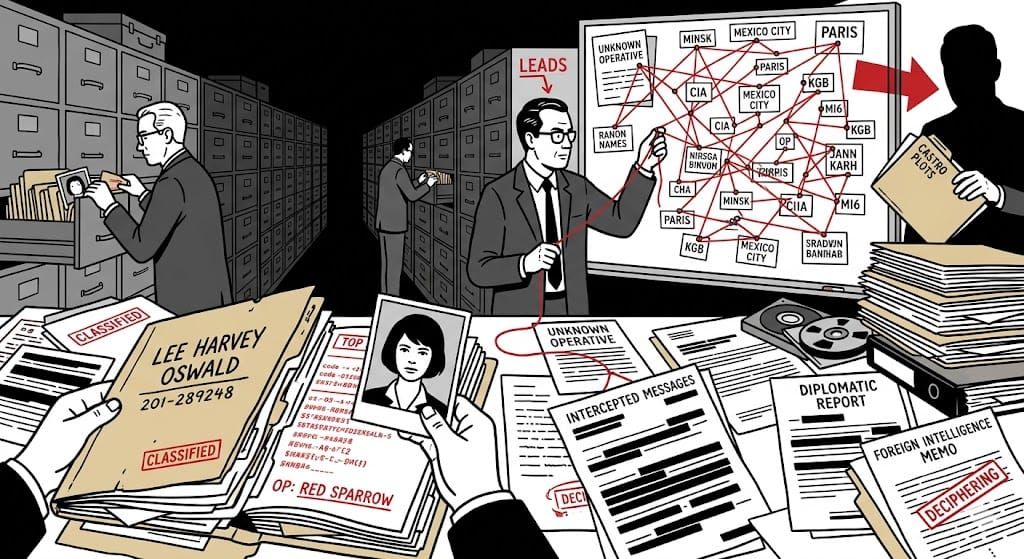
This document is a National Security Agency (NSA) Memorandum for the Record, likely dated between 1978 and 1979 during the height of the House Select Committee on Assassinations (HSCA) investigation. It is a procedural but high-stakes audit of the agency's own employees, specifically those who had access to or were involved in processing the "Kirknewton" traffic or other highly sensitive intercepts from 1963.
This matters because it shows the NSA was not just looking for files; they were looking for people. The memo acts as a map of internal culpability, listing every staffer who could potentially testify about what the agency knew and when they knew it.
The Core: Facts, Names, and Dates
- The Scope: A list of active and former NSA personnel associated with the G8/B1 groups, the specific units that handled intercept traffic from the United Kingdom and Europe during the November 1963 period.
- The Targets: The investigation identified names, including Jack Butler, Carrol Baldwin, and Eugene Yeates, but the primary focus of this specific sheet is the administrative tracking of "knowledgeable individuals."
- The Dates: The audit covers traffic logs specifically from November 20, 1963, to November 25, 1963.
- The Key Argument: The NSA is attempting to establish that any "omission" of a Kennedy-related intercept was not a conspiracy, but a result of standard data aging and destruction protocols.
Red Flags and Black Holes
The "Black Hole" in this document is the Missing List of Names. While the memo references a "comprehensive list of cleared personnel" who worked the Kirknewton desk, those names are often redacted or held in separate, non-disclosed appendices. In a court of law, this is what we call "withholding the roster."
Another red flag is the mention of "Routine Data purging." The document asserts that specific teletype logs from Scotland were routinely destroyed after 5 years (circa 1968), conveniently right as the public outcry for a new investigation was peaking. The memo notes this destruction was "in accordance with agency guidelines," a phrase that appears repeatedly to sanitize the loss of primary evidence.
The most glaring inconsistency is the timing of the search itself. The agency only began this deep-dive audit in late 1978, fifteen years after the fact. By then, many of the "knowledgeable individuals" had retired, died, or, as the memo notes, "could no longer recall technical specifics of 1963 traffic."
The Analysis
From an attorney's perspective, this is a liability assessment. The NSA was preparing for the possibility that the HSCA would subpoena specific analysts. By conducting this internal review first, the agency could coach its narrative: the records were destroyed legally, and the people who saw them don't remember them.
This document functions as a defensive wall. It frames the search for the "Scotland Intercept" as an exhaustive but ultimately doomed effort due to the passage of time. It effectively shifts the blame from the agency's actions to its administrative policies.
Next Steps and Implications
The investigation must demand the unredacted list of personnel mentioned in this audit. We need to cross-reference these names with the retirement logs from 1968 to 1974. If any of these "knowledgeable individuals" were retired early or moved to sensitive "black book" projects shortly after the file destruction began, it points to a coordinated effort to silence the desk. We must also seek the "Destruction Certificates" for the 1963 Scotland logs. If the logs were destroyed after the Garrison investigation began to make noise in 1967, the "routine" defense falls apart.
This video provides an overview of recent JFK file releases and discusses the ongoing search for anomalies in the official record that we are currently decoding.
Subscribe to our newsletter
Subscribe to our newsletter to get the latest updates and news







Member discussion