
The Kirknewton Dead End: An Exercise in Bureaucratic Fencing

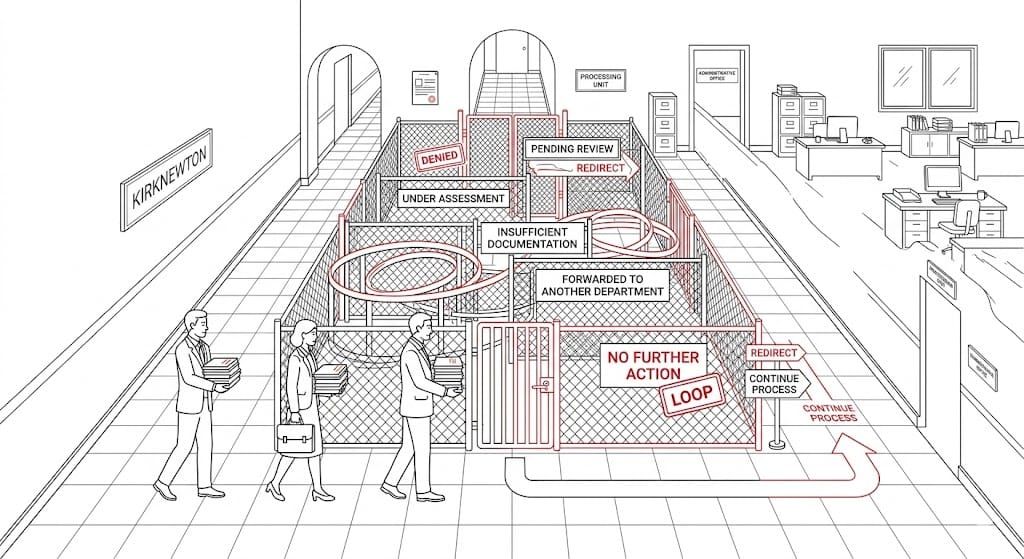
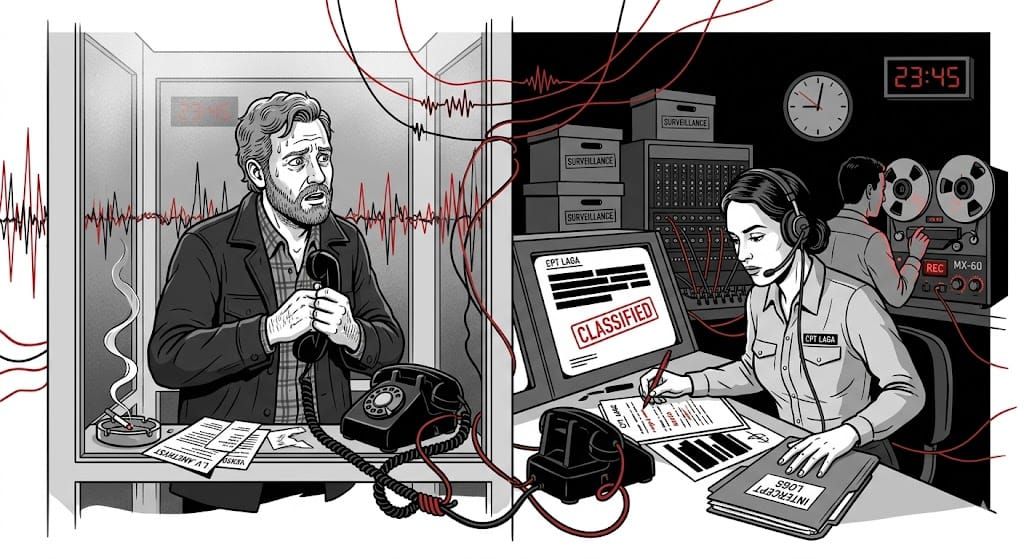
This document is a Memorandum for the Record from the National Security Agency (NSA), dated January 2, 1979. It summarizes the results of a search triggered by a specific, high-stakes allegation: that a military intercept operator at USA-55 in Kirknewton, Scotland, picked up a message in 1963 regarding a plot to assassinate President Kennedy.
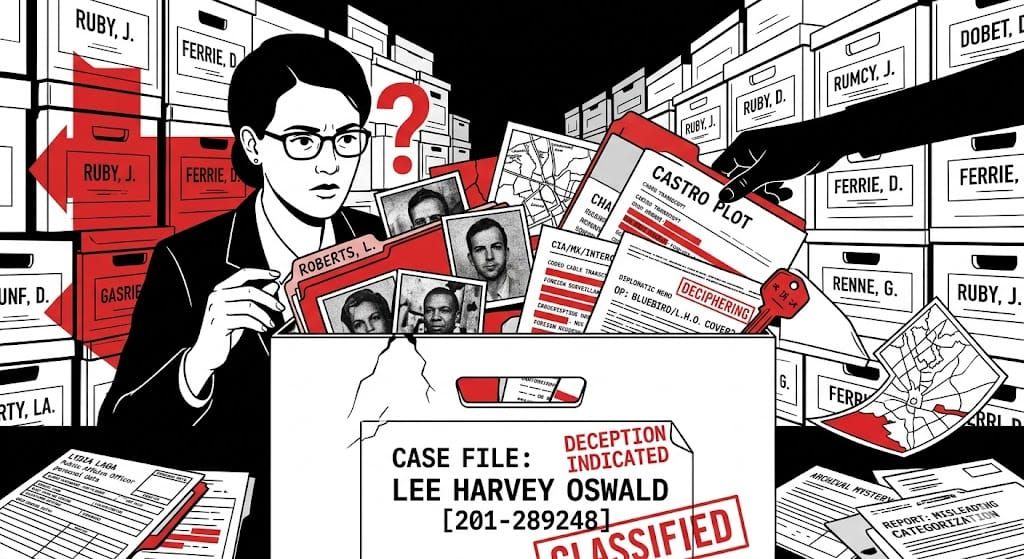
This matters because it represents the intelligence community’s formal response to a potential "smoking gun" lead. If a foreign communication discussing a plot was intercepted before the event, the "lone gunman" narrative is officially dead. Instead, the memo serves as a masterclass in how to close an investigation by searching the wrong places and claiming the right ones are too difficult to look through.
The Core: Facts, Names, and Dates
- The Catalyst: An individual from the USAFSS (United States Air Force Security Service) at USA-55 claimed they intercepted a plot-related message but were explicitly forbidden from disseminating it.
- The Timeline: The NSA search began on November 9, 1978, at the request of the House Select Committee on Assassinations (HSCA).
- The Key Player: Harold L. Parish, Chief of G8, authored the memo.
- The Methodology: The agency checked three boxes of "unidentified" material from 1963. They found audio tapes from the German/Czechoslovak border (USM-42 sites) dated 1961 and naval traffic between the Soviet Union and Cuba from 1962.
- The Personnel: High-level coordination involved Carrol Baldwin (N33) and Jack Butler.
Red Flags and Black Holes
The narrative provided by the NSA is full of convenient logistical failures that effectively stall the inquiry.
First, the Filing Failure. The agency admitted that boxes labeled "1963" actually contained material from 1961 and 1962. When the Legislative Affairs Office (LAO) requested a search of 1964 records, hoping the 1963 files were simply misfiled, the NSA arbitrarily decided no boxes in the 1964 inventory "should be examined," claiming the labels were clear. This is a circular logic trap: they cannot trust the 1963 labels, yet implicitly trust the 1964 labels to avoid looking.
Second, the Data Silo. The memo confirms that while traffic from Scotland was forwarded to the NSA, there is "no practical way to isolate" what came specifically from USA-55 once it reached the central T14 product database. This effectively anonymizes the source of any potentially damning intercept.
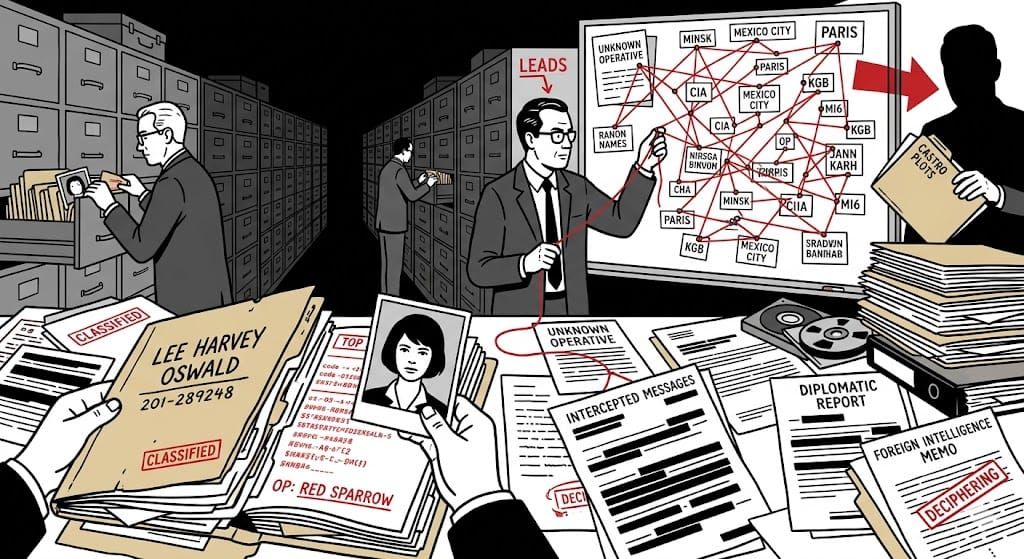
Third, the "Too Hard" Defense. The agency identified 9,900 products from January through November 1963 that could be scanned for Kennedy related intel. However, they estimated this would take four weeks and chose not to do it, pending "further word". By framing a month of work as an insurmountable hurdle during a congressional investigation into a presidential assassination, the agency successfully kicked the can down the road.
The Analysis
Read like an attorney, this memo is a defensive filing. It establishes a "reasonable effort" while carefully ensuring that no actual evidence was found. The dismissive tone, stating that "seems unlikely" such a message ever existed before the search even concluded, reveals a predetermined conclusion.
The most disturbing takeaway is the admission that the individual who reported the intercept claimed they were not allowed to disseminate the content. The NSA’s response does not address who gave that order or why. Instead, it focuses on the physical location of paper files that they already admit are mislabeled or missing.
Next Steps and Implications
The investigation must move past the paper trail and secure the name of the original Kirknewton operator. The NSA admits that "all traffic was forwarded to NSA," meaning the message existed in their system even if it was suppressed. We need to push for the scan of the 9,900 T142 products. A four-week delay is a small price for the potential discovery of pre-knowledge. If the NSA refuses, the question becomes why 9,900 pages of 1963 intel are more protected than the truth about the assassination.
Subscribe to our newsletter
Subscribe to our newsletter to get the latest updates and news






Member discussion