

members only
The Other Wife: ★★☆☆☆
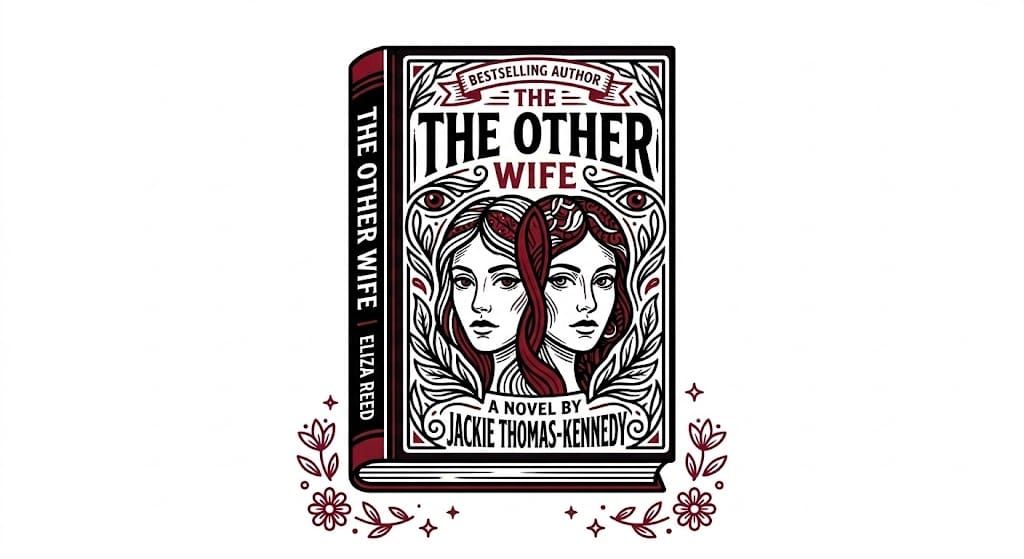
Some books hit you like a thunderclap. The Other Wife brushes past you with the emotional intensity of a forgotten voicemail and has the nerve to call that intimacy.
This novel, if we're being generous with the word, is less about storytelling and more about aesthetic melancholy as a personality. It's another entry in the modern canon of sad-but-safe women pondering their past decisions while gazing wistfully at countertops, a genre that apparently has no bottom.
Zuzu, our protagonist (yes, that's her name), is a 39-year-old lawyer who may have liked art once. She's married to Agnes, an emotionally distant lawyer, very daring, but haunted by her college best friend Cash (yes, really), with whom she shared just enough chemistry to justify 300 pages of moody flashbacks and exactly zero consequences.
At some point, someone dies. This is the dramatic catalyst that sends her back to her rural hometown, conveniently stocked with every "what if" she's ever suppressed. You've read this story. Literally. It's the emotional IKEA furniture of literary fiction: vaguely functional, vaguely stylish, and assembled from parts you recognized before you opened the box.
Here's the kicker: The New York Times bestseller list. Not because the prose will rearrange something in you. Not because it takes a single narrative risk. And certainly not because it contains a plot twist worth texting anyone about, unless your friend is contractually obligated to care about your lukewarm feelings.
This is what happens when a good literary agent meets a bored acquisitions team. It's a checklist novel, and the checklist is doing all the heavy lifting. Biracial identity? Check. Queer marriage? Check. Longing for lost artistic dreams? Check. Soft reckoning with aging, motherhood, and regret? Check. Originality? Not on the form. Actual insight? Left in the slush pile. But none of that matters when someone whispered "Kiley Reid meets Celeste Ng" in a boardroom and the deal closed before lunch.
It's not that The Other Wife is bad. It's engineered and calibrated for maximum inoffensiveness, just edgy enough to feel literary to readers who finish two novels a year and want credit for both. It will resonate most with people who mistake sadness for depth and interpret a lot of sighing in hallways as a complex inner life.
If I were 16, this might have felt electric: a window into complicated adults doing very adult things, like returning to their hometown to have feelings in a kitchen. But I'm not 16. I've seen this film, read this book, and watched this character make slightly different choices under a hundred different titles. There's no risk, no narrative ambition, and honestly, no reason for this to exist beyond filling a quarterly slot for quiet women's fiction with tasteful cover art.
Verdict: A very pretty shrug in hardcover. Its greatest plot twist is that someone in 2025 still thinks emotional oatmeal is a revelation.
⭐⭐: one star for clean prose, one for the PR campaign that got it here.
The Other Wife: because apparently publishing is still in its "melancholy woman stares at her past" era, and nobody on the editorial board has blinked yet.
Subscribe to our newsletter
Subscribe to our newsletter to get the latest updates and news






Member discussion