Why Indie Authors Should Prioritize Authenticity Over Perfection

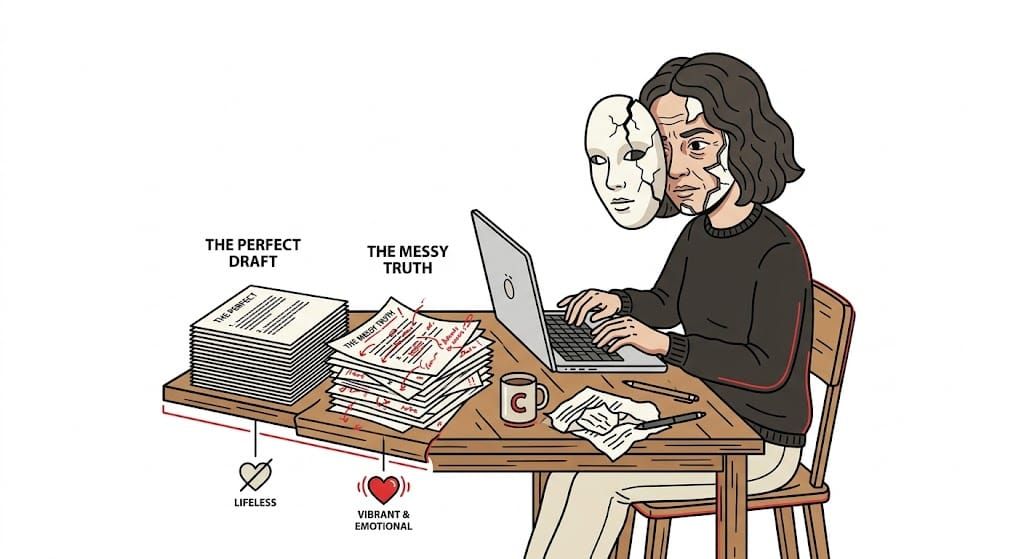
If you spend any time in indie author communities, you will encounter a version of the same warning delivered with the urgency of gospel: you must hire a professional editor before you publish. Developmental editing first. Then line editing. Then copy editing. Then proofreading. Budget several thousand dollars per book, the advice goes, or accept that your work is not ready. For writers who came to self-publishing precisely because it offered a path around traditional gatekeepers, this turns out to be a surprisingly rigid set of gates.
The expectation deserves scrutiny, not because editing is unimportant but because the conversation around it tends to collapse distinctions that matter enormously in practice. Not all editing is the same. Not all manuscripts need the same kind of attention. Not all indie authors have the same goals, audiences, or financial resources. And the assumption that the traditional publishing editorial pipeline represents a universal standard every self-published book must aspire to is, on examination, more ideological than practical.
This article is an attempt to give indie authors the information they need to make genuine decisions rather than anxious ones. That means understanding what different types of editing actually do, what they cost, what they are and are not equipped to protect, and where the alternatives have become genuinely viable. It also means taking seriously the question that gets asked too rarely in these conversations: what are you actually trying to accomplish, and what does that specific goal require?
This post is for subscribers only
Subscribe to continue reading